
Assessing the habitat benefits of kelp aquaculture in New Zealand and Maine April 13, 2021
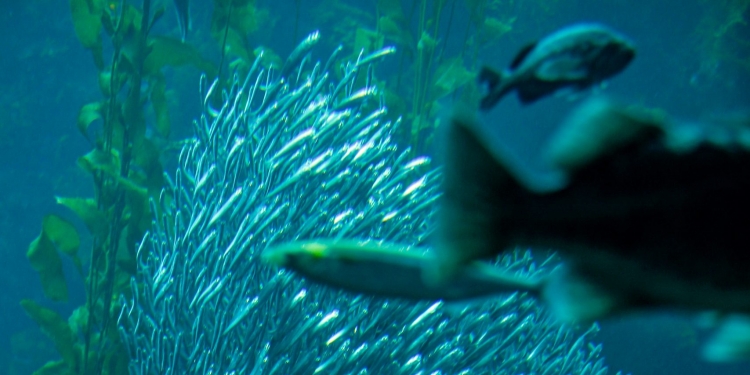
How kelp farms can provide habitat for fish and marine invertebrates, whether there are any negative impacts on fish and marine invertebrates during maintenance and harvesting cycles, and how the benefits of restorative aquaculture can be optimised for both the aquaculture industry and nature, are among the key questions to be answered in a new study.
The Nature Conservancy (TNC) is partnering with researchers at the University of New England School of Marine and Environmental Programs, in Maine, and the University of Auckland in New Zealand, to study the habitat ecosystem services provided by kelp farming. In addition to assessing the culture of kelp alone, they are also analysing the ecological effects of kelp when co-cultured with local mussel species, as there is some evidence that both shellfish and kelp benefit from the co-culture arrangement (Both, et al., 2020).
By analysing the habitat benefits and impacts of kelp and kelp/mussel co-culture, including during kelp harvest, they hope to provide recommendations on how to optimise the benefits that the aquaculture of low trophic level species can provide, with the overarching goal of informing the sustainable growth of kelp aquaculture in both geographies.